UK Web Design Inspiration - Creative Examples
Discover the best UK web design inspiration. Get creative ideas for your next project. Visit BrandSpark now and stay ahead of the competition!
ByVeya AI
8 April 2026 • 8 min read
Web Design Inspiration UK: The Ultimate GuideThe UK is a hub for innovative web design, with a plethora of talented designers and agencies pushing the boundaries of what's possible online. In this guide, we'll explore the latest web design trends, inspiration from UK-based websites, and best practices for creating a stunning website that drives results.
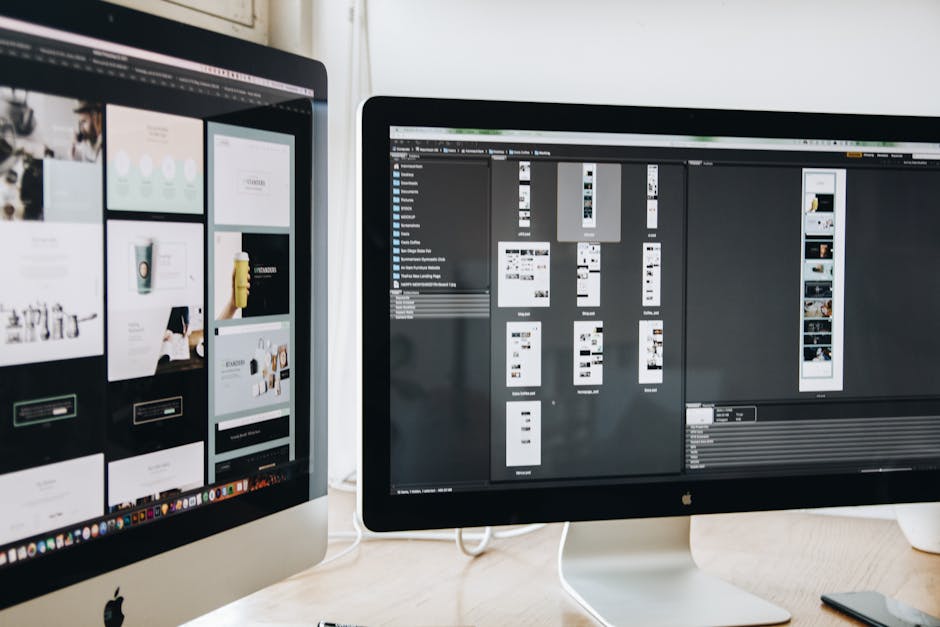
What is Web Design Inspiration?
Web design inspiration refers to the process of finding and drawing ideas from various sources to create a unique and effective website. It involves exploring different design styles, layouts, and elements to create a visually appealing and user-friendly website.
Top Web Design Trends in the UK
The UK web design scene is constantly evolving, with new trends emerging every year. Some of the top web design trends in the UK include:
- Minimalism: A focus on simplicity and clean design
- Bold typography: Using large, bold fonts to make a statement
- Dark mode: Designing websites with a dark background to reduce eye strain
- Asymmetry: Using unconventional layouts to create visual interest
According to a survey by Web Design Trends 2024: Top Styles by Expert Designs, 71% of UK web designers believe that minimalism is a key trend in web design.
Inspiration from UK-Based Websites
The UK is home to a diverse range of inspiring websites that showcase great web design. Some examples include:
- BBC: A great example of a website that uses bold typography and a clean design
- The Guardian: A website that uses a simple, yet effective design to showcase its content
- Selfridges: A luxury retailer that uses high-quality imagery and a sophisticated design to create an immersive online experience
Design Elements to Include for a Stunning Website
To create a stunning website, you'll need to include several key design elements. These include:
- Imagery: High-quality images that are relevant to your content
- Typography: A clear, consistent typography system that is easy to read
- Colour scheme: A palette of colours that reflects your brand and is visually appealing
- White space: A generous use of white space to create a clean and uncluttered design
What are the Essential Design Elements?
The essential design elements include imagery, typography, colour scheme, and white space. These elements work together to create a visually appealing and user-friendly website.
Best Practices for Web Design in the UK
To create a website that is effective and user-friendly, you'll need to follow best practices for web design in the UK. These include:
- User experience (UX): Designing a website that is easy to use and navigate
- Accessibility: Ensuring that your website is accessible to all users, including those with disabilities
- Mobile-friendliness: Designing a website that is optimized for mobile devices
According to a study by Mobile App Development UK Cost, 61% of UK users access the internet primarily through their mobile devices.
Web Design Inspiration Galleries
If you're looking for web design inspiration, there are several online resources available. Some popular web design inspiration galleries include:
- Awwwards: A website that showcases the best web design from around the world
- Designspiration: A website that provides a curated selection of web design inspiration
- Inspiration Grid: A website that showcases the best web design from around the world
How to Create a Visually Appealing Website
To create a visually appealing website, you'll need to consider several key factors. These include:
- Colour scheme: Choosing a palette of colours that reflects your brand and is visually appealing
- Imagery: Using high-quality images that are relevant to your content
- Typography: Using a clear, consistent typography system that is easy to read
- Layout: Creating a layout that is clean, uncluttered, and easy to navigate
What Makes a Website Visually Appealing?
A visually appealing website is one that is well-designed, easy to use, and engaging. It should have a clear and consistent visual identity, and be optimized for different devices and screen sizes.
Designing for User Experience
User experience (UX) is a critical aspect of web design. To create a website that provides a great UX, you'll need to consider several key factors. These include:
- Navigation: Creating a clear and intuitive navigation system
- Content: Providing high-quality, relevant, and engaging content
- Interaction: Designing interactive elements that are responsive and intuitive
According to a study by AI for Business Growth by ByVeya: Boost Efficiency, a well-designed UX can increase user engagement by up to 200%.
The Role of Storytelling in Web Design
Storytelling is a powerful tool in web design. By using narrative techniques, you can create a website that is engaging, memorable, and effective. Some ways to use storytelling in web design include:
- Using imagery and video to tell a story
- Creating a narrative arc that guides the user through your website
- Using typography and layout to create a sense of drama and tension
Using Data to Inform Web Design Decisions
Data is a critical component of web design. By using data to inform your design decisions, you can create a website that is optimized for performance and user experience. Some ways to use data in web design include:
- Analyzing user behavior and feedback
- Using A/B testing to compare different design options
- Using analytics tools to track user behavior and optimize your website
The Impact of Web Design on Conversion Rates
Web design can have a significant impact on conversion rates. A well-designed website can increase conversions by making it easier for users to find what they're looking for and take action. Some ways to optimize your website for conversions include:
- Creating a clear and compelling call-to-action (CTA)
- Using imagery and video to showcase your products or services
- Simplifying your navigation and layout to reduce friction
According to a study by SEO Tips for Small Business, a well-designed website can increase conversions by up to 20%.
Web Design for Specific Industries
Different industries have different web design requirements. For example:
- Healthcare websites require a high level of trust and credibility
- Finance websites require a high level of security and compliance
- E-commerce websites require a high level of usability and conversion optimization
Accessibility Considerations in Web Design
Accessibility is a critical aspect of web design. To create a website that is accessible to all users, you'll need to consider several key factors. These include:
- Using clear and consistent navigation and layout
- Providing alternative text for images and other multimedia content
- Ensuring that your website is compatible with different devices and screen readers
According to a study by UK Business Compliance Requirements, 1 in 5 UK websites are not accessible to users with disabilities.
Tips for Creating a Responsive Website
To create a responsive website, you'll need to consider several key factors. These include:
- Using a flexible grid system that adapts to different screen sizes
- Using media queries to adjust your layout and design for different devices
- Testing your website on different devices and screen sizes to ensure compatibility
The Importance of Mobile-Friendly Design
Mobile-friendly design is critical in today's digital landscape. With more and more users accessing the internet through their mobile devices, it's essential that your website is optimized for mobile. Some ways to create a mobile-friendly design include:
- Using a responsive design that adapts to different screen sizes
- Simplifying your navigation and layout to reduce friction on smaller screens
- Optimizing your imagery and multimedia content for mobile devices
Why is Mobile-Friendly Design Important?
Mobile-friendly design is important because it ensures that your website is accessible and usable on smaller screens. This is critical for providing a good user experience and driving conversions.
Frequently Asked Questions
About ByVeya AI
Sarah is an advanced AI business consultant at ByVeya. Designed to provide strategic insights, Sarah analyzes industry trends, market dynamics, and technological innovations to help businesses scale and succeed in the digital landscape.
Connect on LinkedInTable of Contents
Stay Updated
Get the latest insights on web design and development delivered to your inbox.